There is a reason so many couples picture a wedding among the vines. Wine country gives a day a built-in structure: long rows that lead the eye, stone and timber that hold warm light, and a horizon that softens as the sun drops. As a Napa wedding photographer and a Sonoma wedding photographer working across the North Bay, most of my planning comes down to matching the season and the hour to the place you have chosen.
What the vines give you on camera
A vineyard is one of the few settings that photographs beautifully at three different scales in a single evening. Up close, the rows become texture, leaves and fruit catching side light. Step back and those same rows turn into leading lines that pull toward the two of you and then out to the hills. And a barrel room, with its low ceilings and rows of oak, gives a cool, quiet interior that reads like a painting when the day outside is too bright.
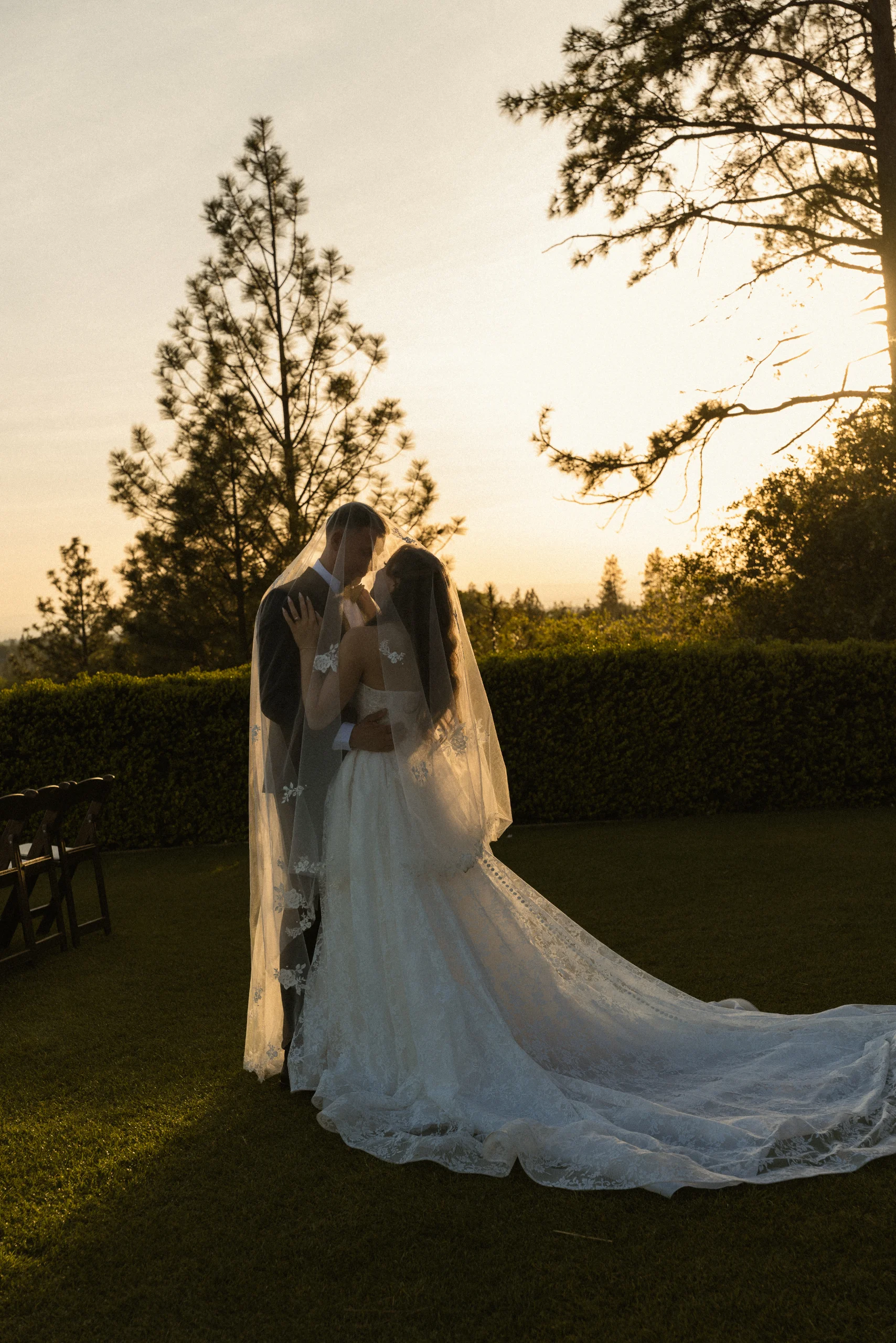
The best of it comes at dusk. When the sun sits just above the western ridgelines, the vines glow at the edges and the sky behind them turns from gold to a slow blue. That short stretch is the picture most people carry in their heads before they ever book a venue, and it is worth building the whole timeline around.
Napa and Sonoma, in practical terms
The two regions sit side by side but feel different once you are working in them. Napa Valley is compact and neatly linear, most of it strung along Highway 29 and the quieter Silverado Trail from the town of Napa up through Yountville, St. Helena, and Calistoga. From San Francisco it is roughly an hour and a half by car, a little more with weekend traffic across the bridges. Napa estates tend toward the polished and architectural, and the region carries a premium that shows up in venue costs.
Sonoma County is larger and more spread out, running from the town of Sonoma and Healdsburg out through the Russian River and toward the coast. It reads a touch more rustic and agricultural, with working farms and redwood edges alongside the tasting rooms. Driving between two Sonoma venues can take longer than crossing all of Napa, so travel time matters more here. On cost, both regions run high for weddings; rather than quote figures, I keep current ranges on the collection and pricing pages so the numbers stay accurate. What I will say plainly is that the region you choose shapes the light you get, and that is where I focus.
Harvest, spring, and early summer
Season changes both the palette and the schedule. Harvest, known in the trade as crush, generally runs from late August into October, and it is the most photogenic window of the year. The vines turn amber and rust, fruit hangs heavy, and the whole valley smells of fermentation. It is also the busiest and most expensive stretch, and some working estates limit events during crush because the presses are running. Book early, and expect a firmer schedule around the winery's own work.
Spring and early summer trade that drama for softness. Bud break brings bright new green in April and May, the hills are still holding their winter color, and the days are long without the deep heat of September. Palettes lean fresh and cool, mustard flowers sometimes still threading the rows earlier in the year. The trade is that the vines are lower and less sculptural than they are at harvest, so wide shots read greener and gentler rather than golden.
Estate and winery venues, and their light
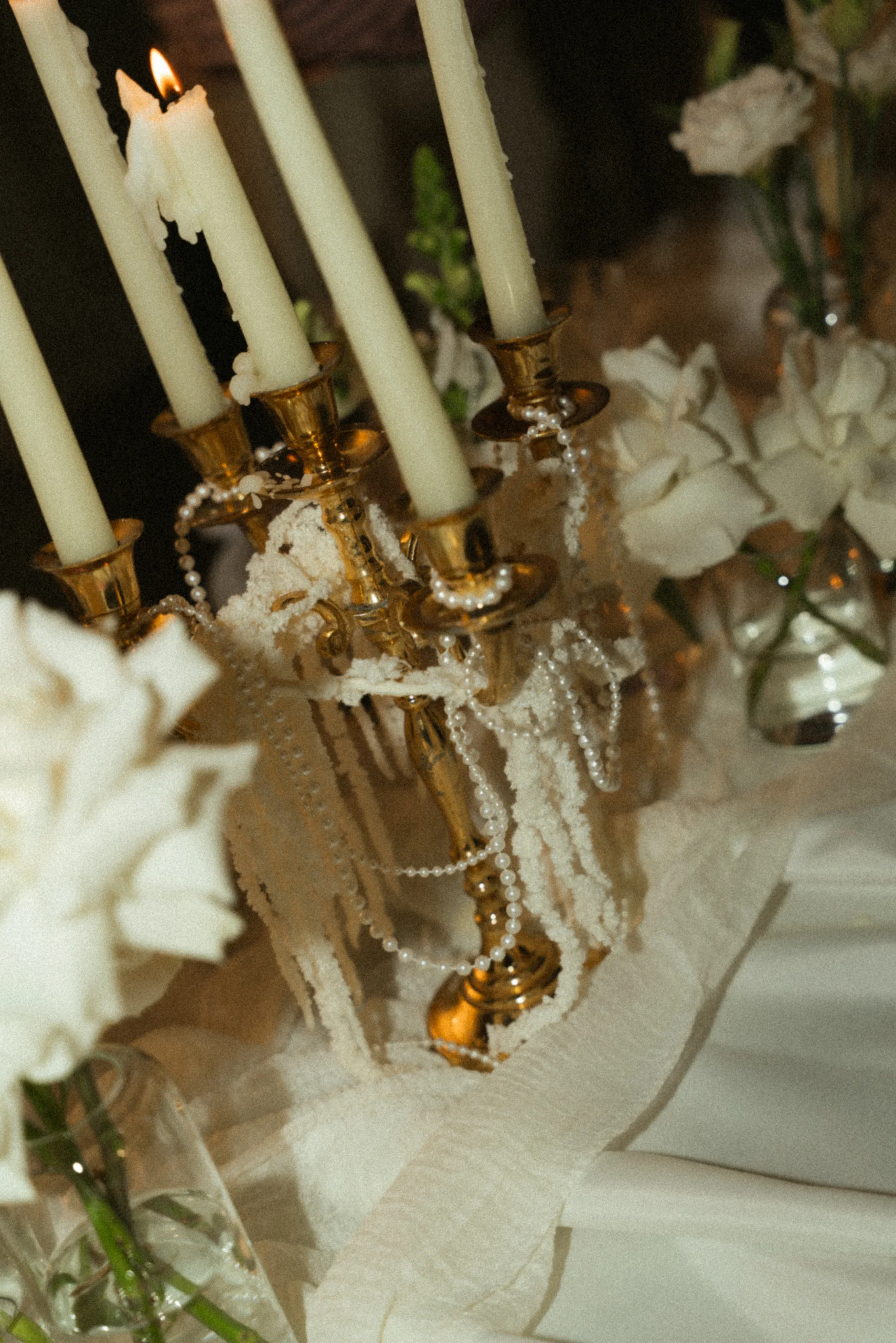
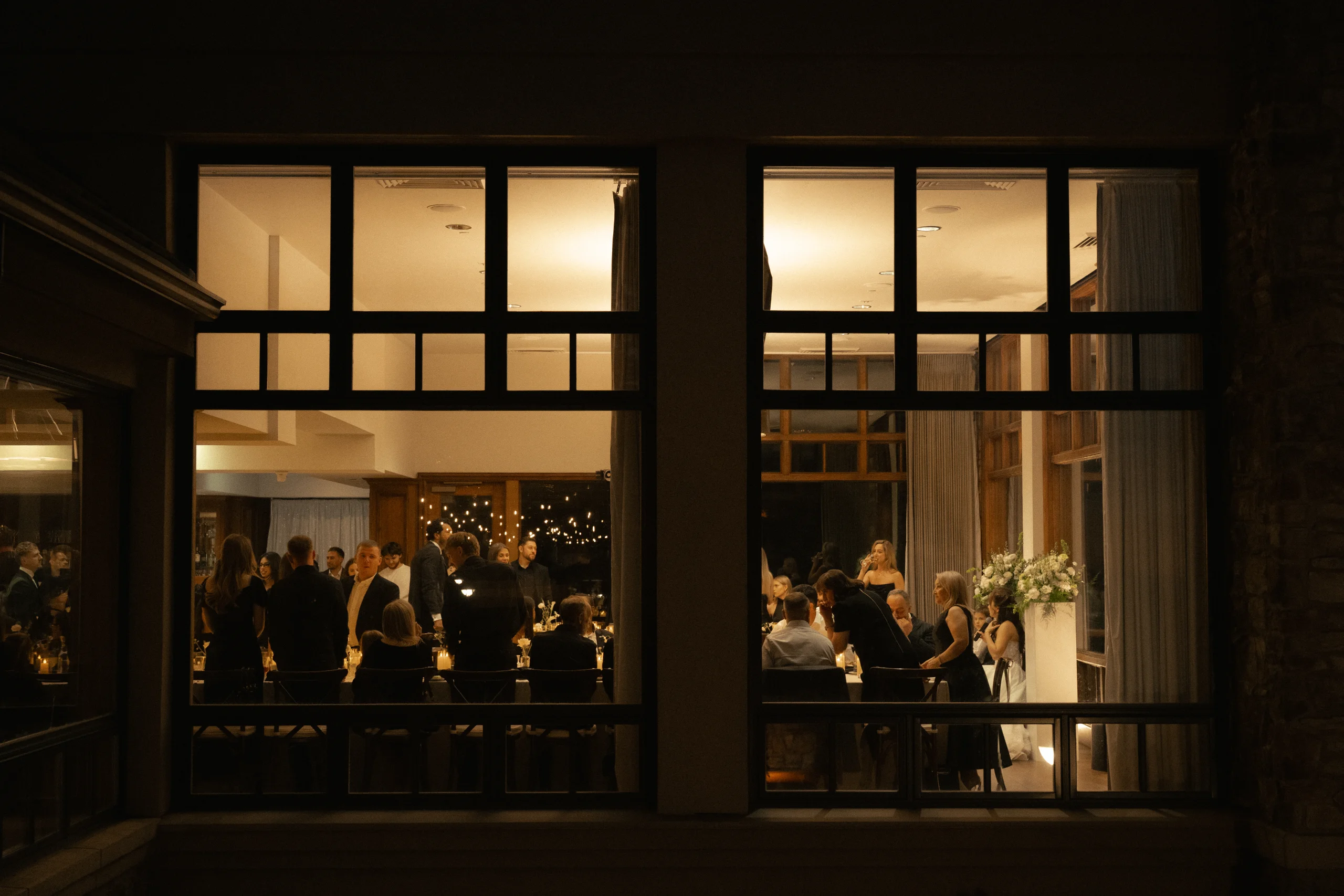
Wine country venues fall into a few types, and each carries its own light and access notes. A full estate with a manor or château gives you architecture, formal gardens, and usually a terrace facing the vines, which is generous but often comes with strict end times set by county noise rules. A working winery leans on its production spaces, so you get barrel rooms and crush pads with real character, though those interiors are dim and you plan for slow, warm indoor light rather than bright.
Smaller family vineyards feel the most personal and let a session roam, but they may have fewer indoor options if the weather turns. Whatever the type, two constraints come up again and again in this region: many venues in unincorporated Napa and Sonoma operate under use permits that cap guest counts and set hard curfews, often ending amplified music by ten, and access to the rows themselves is sometimes limited to protect the fruit. I confirm those specifics with each venue before the day.
Timing the day around the long golden hour
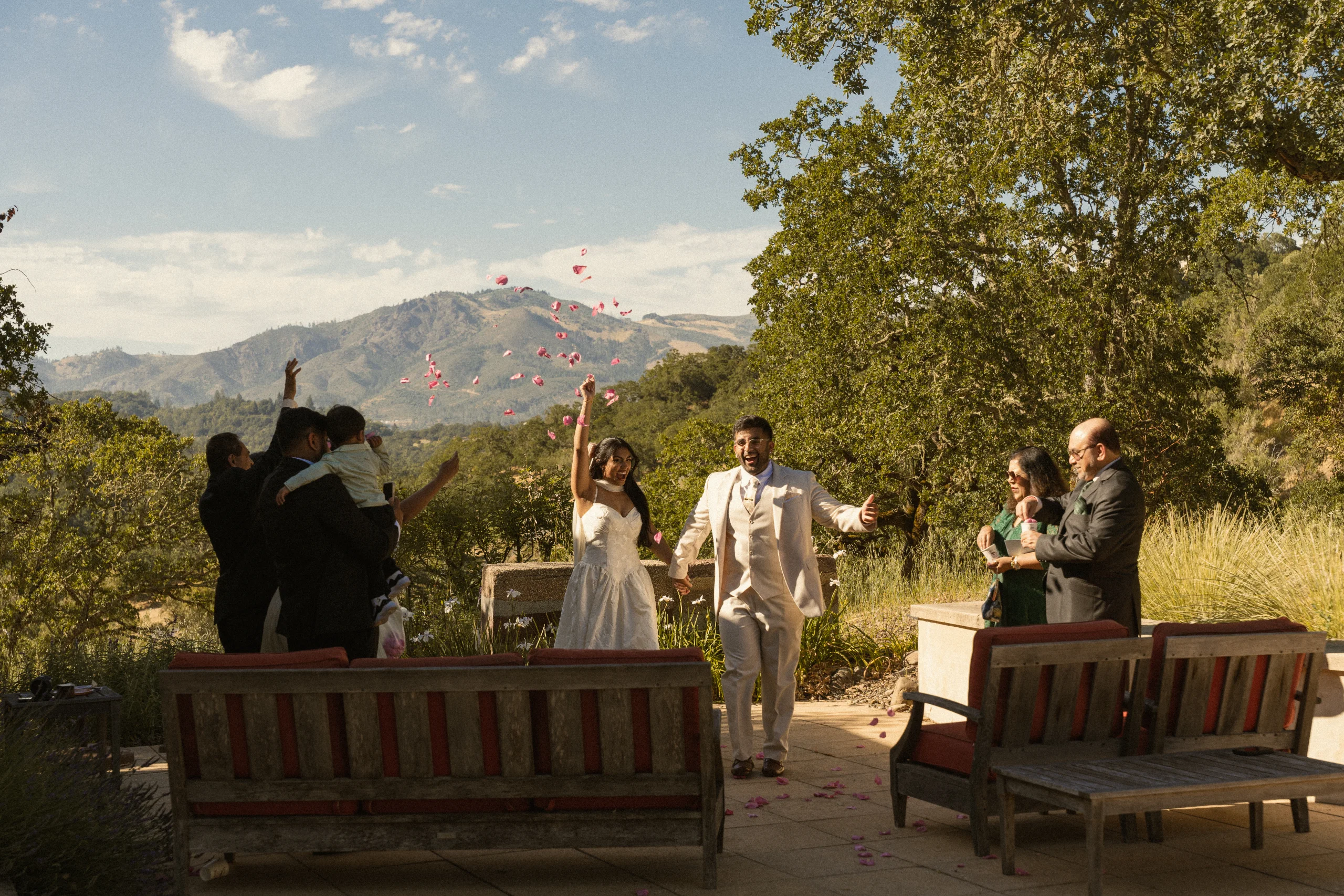
Inland from the coast, wine country summers are hot and dry, and that shapes when we shoot. Midday sun is harsh and high, so the middle of the day is for the parts that live indoors or in shade: getting ready, the ceremony if it is under oaks or a covered terrace, dinner. The pictures you booked the vines for belong to the last hour before sunset.
That hour is longer here than many people expect, because the valleys open west toward the ocean and the light stays warm as it rakes across the rows. I like to slip away for fifteen or twenty minutes right as the sun touches the ridge, walk the two of you into the vines, and let the glow do most of the work. If harvest is your season, we can often keep going a little past sunset, when the amber leaves hold color against a deep blue sky. Everything else in the timeline gets arranged to protect that window.
A wine country wedding rewards a little planning around season and light, and that is the part I most enjoy helping with. You can see how a full day is approached on the weddings page, or read the wider Bay Area wedding photographer guide for how the whole region fits together. If your day pairs the vines with the city, the San Francisco City Hall guide covers that side. When you are ready, say hello on the inquire page.