Couples often ask whether they should book a film photographer or a digital one, as if the two were opposing teams. They are not. They are two tools with different strengths, and most working wedding photographers today reach for whichever the moment calls for. Understanding the difference helps you read a gallery and know why it looks the way it does.
Start with the plain mechanics. Film records light on a chemical negative that is developed and scanned in a lab. Digital records it on a sensor and writes a file you can see a second later. Everything people love or worry about follows from that one split.
What film does well
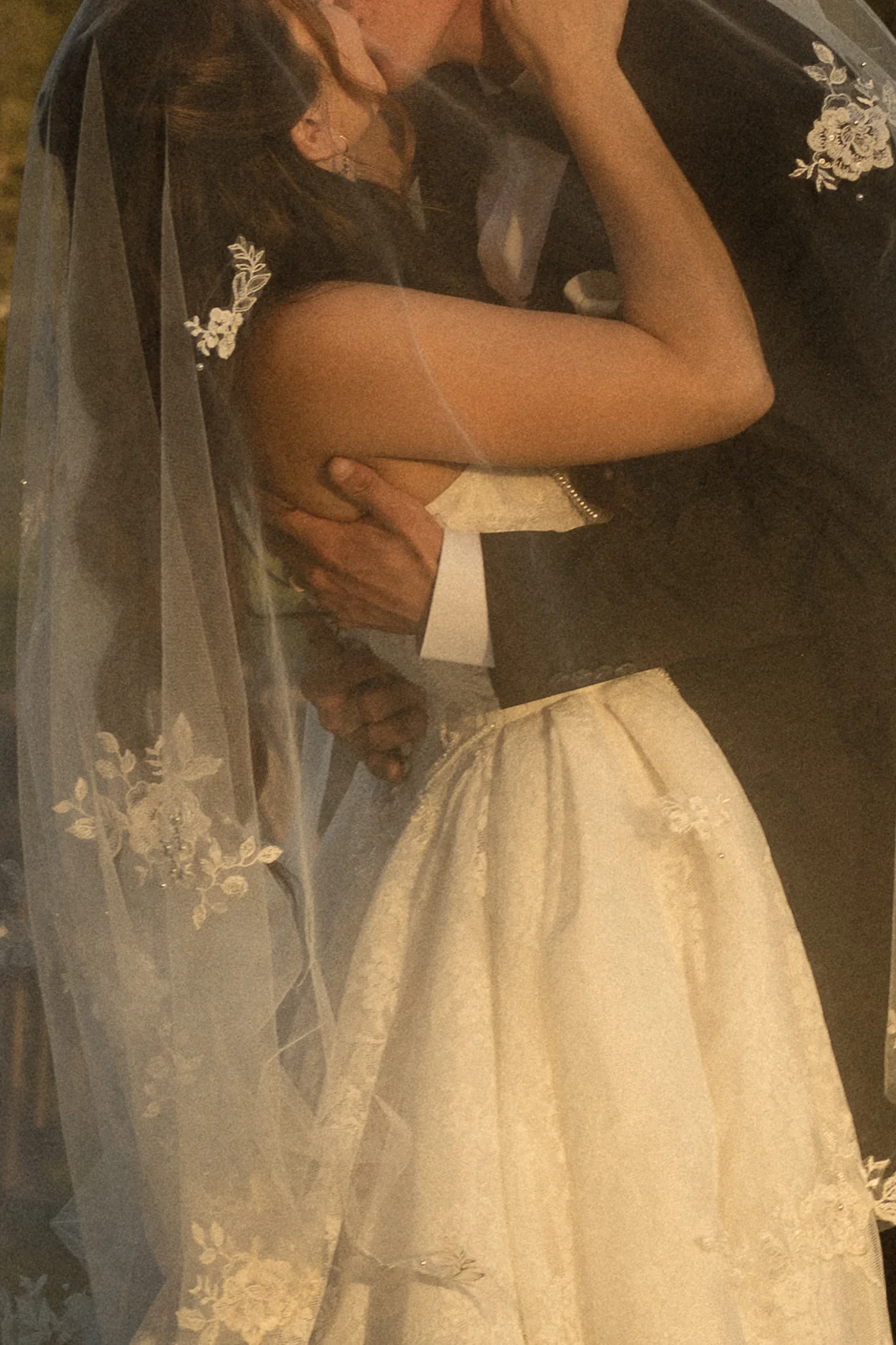
Colour negative film has a gentle way with bright light. It holds detail in highlights as they climb, so a white dress in afternoon sun keeps its texture rather than blowing out to blank paper, and skin renders warm and soft. Grain gives the image a quiet texture that feels organic rather than clinical, which is a large part of why a film frame reads as timeless. Medium-format film, shot on a larger negative than a 35mm frame, adds a smooth, shallow rendering that many couples recognise as the wedding look without knowing the cause.
Film also changes how a photographer works. A roll holds a small number of frames and each one has a real cost, so the shooting slows down and turns deliberate. Fewer, more considered pictures. For portraits in good light, that patience shows.
What digital does well
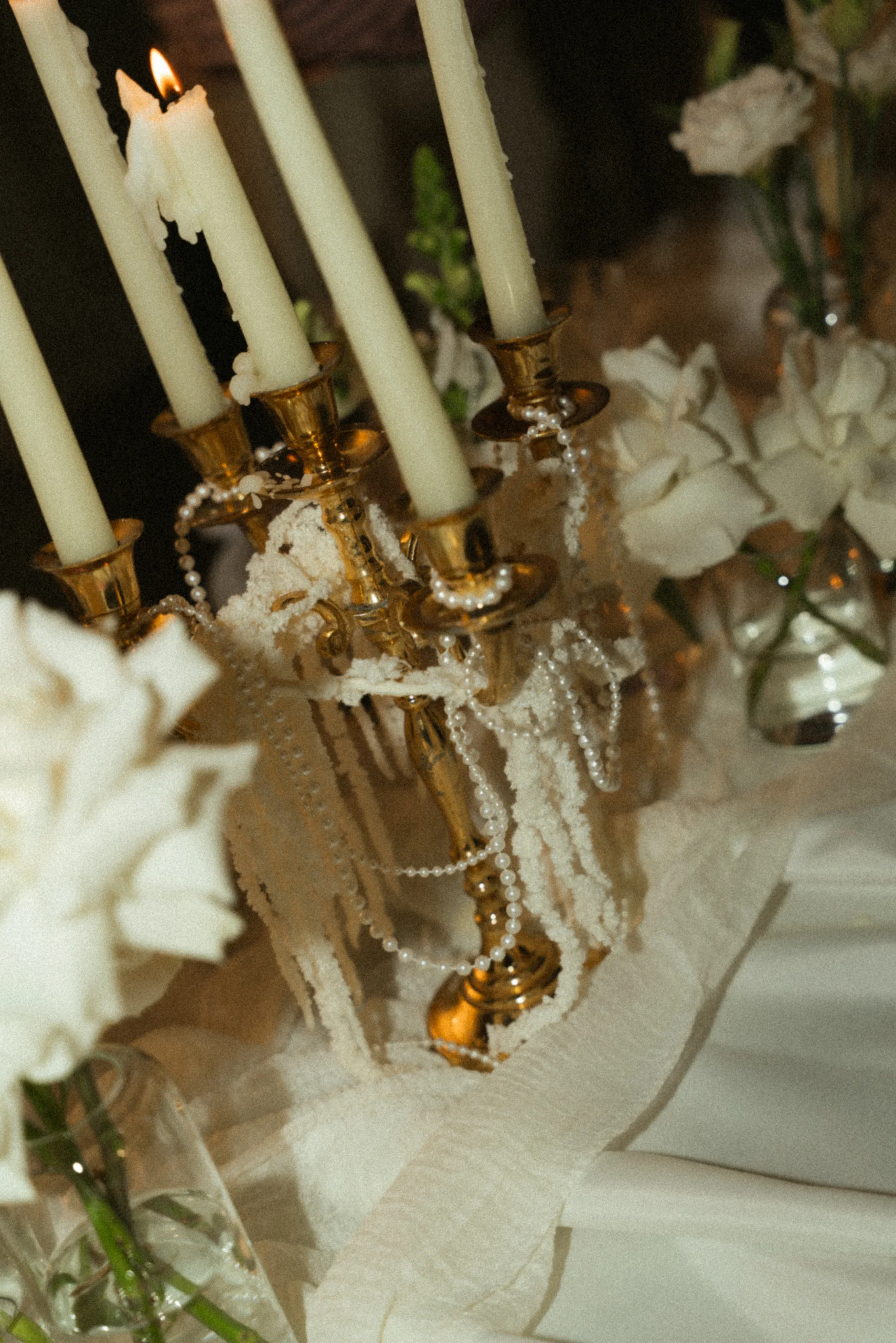
Digital owns the dark. Modern sensors see deep into shadow and hold up at high ISO, which is exactly what a candlelit reception or a late first dance demands. It gives the photographer immediate feedback, so a tricky exposure gets confirmed on the spot rather than weeks later at the scanner. And because each frame costs nothing, digital can chase fast, unrepeatable moments, the confetti, the tears in a toast, the exit, without the photographer counting shots.
There is a practical side too. Digital files come back sooner, since there is no lab step between the shutter and your gallery. For couples who want to relive the day quickly, that turnaround matters.
The camera is a tool. The light, the timing, and the eye behind it are the photograph.
The trade-offs that actually matter for a wedding
A wedding day is not one lighting situation, it is a dozen. That is why the choice is rarely all-or-nothing.
·Low light
Receptions, dim churches, and evenings past sunset lean digital. Film can be pushed in the dark, but digital handles it with more room to spare.
·Bright, still portraits
Golden-hour portraits and midday ceremonies are where film's kindness to highlights and skin earns its keep, and where the slower pace is a feature rather than a cost.
·Turnaround and cost
Film adds a lab step, developing and scanning, that lengthens delivery and adds a real per-frame cost. Digital is faster and cheaper to shoot in volume. Neither is a virtue on its own; they are simply different budgets of time and money.
·Room for error
Digital lets a photographer confirm and recover in the moment. Film is less forgiving of a missed exposure, though a good negative quietly protects the highlights that digital can lose. The skill of the person shooting matters more than the format here.
Why hybrid is the honest answer
Most experienced wedding photographers do not pick a side. They carry both, shooting digital where speed and darkness rule and film where light and stillness invite it, so a single gallery gets the strengths of each. Others shoot digital entirely and edit toward a film aesthetic, using the sensor's reliability while chasing the grain and warm tone of a negative.
That last approach is close to how the work on this site is made. The look here leans film-inspired and cinematic on purpose, warm light, soft grain, the feel of a scene from a film about the two of you. What matters in the end is not the label on the camera but whether the final gallery is one you want to live with for decades. You can judge the look directly in the wedding collection and the wider collection of work.
Still deciding on a photographer at all? The companion guide on how to choose a wedding photographer covers what to look for in a full gallery. If you are planning locally, the Sacramento and Bay Area wedding guides get specific about light and venues, and the inquire page is open when you are ready to talk.